
If you hire someone to install security cameras at your Texas home or business, there is a good chance the law requires that company to be licensed. Many people are surprised to learn that Texas treats recording camera systems much like burglar alarms. This guide explains the basics in plain language. It is general information, not legal advice.
The Short Answer
In Texas, companies that install, service or sell alarm systems for others are regulated under the Private Security Act, Texas Occupations Code chapter 1702, and administered by the Texas Department of Public Safety (DPS) Private Security Program. Chapter 1702's definition of an "alarm system" includes camera systems that record or archive images of property or people at a residence or business, as well as electronic access control. A company installing those systems for customers generally needs a DPS-issued company license — commonly the Class B security services contractor license — and its installers generally need to be individually registered with DPS.
What Counts as an "Alarm System" Under Texas Law
Most people think of an alarm as door sensors and a siren. Chapter 1702 is broader. Its definition covers equipment designed to detect or signal unauthorized entry, robbery or other emergencies; electronic systems that control access to a premises; and camera systems that record or archive images at a home or business, or that are monitored by security personnel. That is why security camera installers, access control installers and intercom installers often fall under the same rules as alarm companies.
Who the Rules Apply To
The licensing requirements apply to businesses and individuals who perform this work for others — typically for pay. A homeowner mounting a camera on their own house is not acting as an alarm company. A handyman, electrician, IT contractor or "cable guy" installing recording cameras for a customer, however, may be doing regulated work. If you are unsure whether a particular situation is covered, check with DPS or an attorney.
Company License vs Individual Registration
There are two layers. The business holds a company license from DPS. The people who do the installation work are generally required to hold their own individual registration, which involves background checks. When you hire an installer, you can ask for both the company license number and confirmation that the technicians coming to your property are registered.
Why It Matters to You as a Customer
Licensing exists because installers handle sensitive things: access to your property, camera views of your family or employees, alarm codes and network passwords. A licensed company has passed DPS requirements, including background checks and insurance requirements for licensees. Hiring an unlicensed installer can leave you with little recourse if something goes wrong, and some insurers, landlords or commercial clients ask for proof that security work was done by a licensed company.
How to Check an Installer's License
DPS offers an online lookup for private security licenses and registrations. Ask the company for its license number, then confirm the company name and status match. Be cautious if an installer avoids the question, cannot give a number, or says a license is not needed for camera work at a business or home.
What About Local Permits?
State licensing for installers is separate from local permits. For example, inside the City of Houston, alarm systems require a City alarm permit that the customer — the homeowner, tenant or business — obtains and renews. Other cities and counties have their own rules. Our home security and alarm systems page explains how that works in Houston.
Questions to Ask Before You Hire
Ask for the company's DPS license number and verify it. Ask whether the technicians are individually registered. Ask who will have access to your recorder, app and passwords after installation, and how that access is handed over to you. Ask what warranty covers the workmanship. These questions take a few minutes and tell you a lot about the company you are letting into your property.
How SP Security Cameras Houston Approaches It
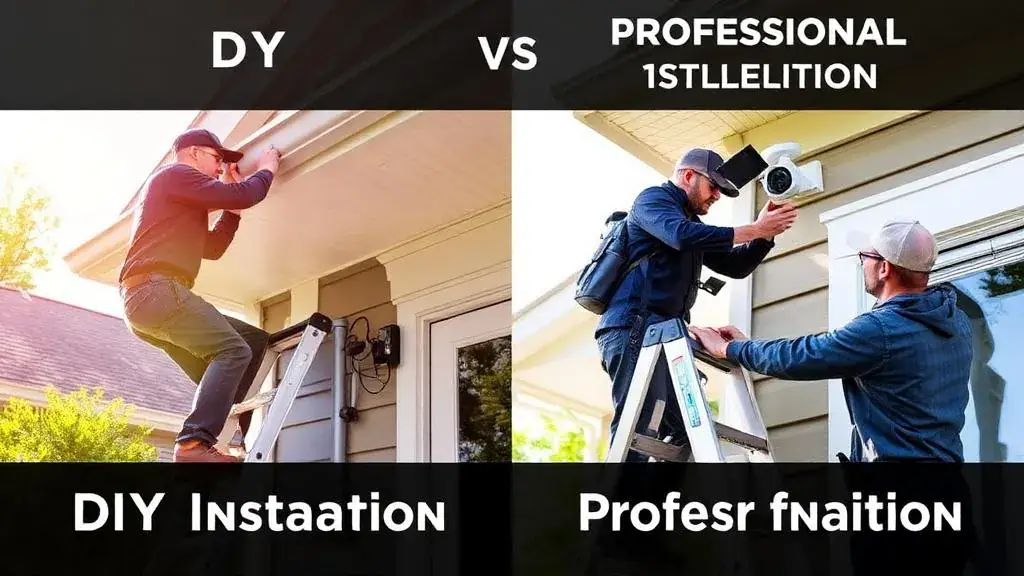
We install security cameras, access control, video intercoms and alarm systems across Greater Houston, and we hand all passwords and admin access to you at the end of every job. If you are comparing installers, our security camera installation service page explains what a professional install includes, and our guide to DIY vs professional installation helps you decide what to do yourself. You can also read about access control systems.
This Is Not Legal Advice
This article is a general summary to help you ask better questions. Laws and rules change, and how they apply depends on your situation. For a definitive answer, review Texas Occupations Code chapter 1702 and the DPS Private Security Program rules, or consult an attorney.
Have questions about a camera, access control or alarm project? Call or text 832-900-0729 or request a free quote.